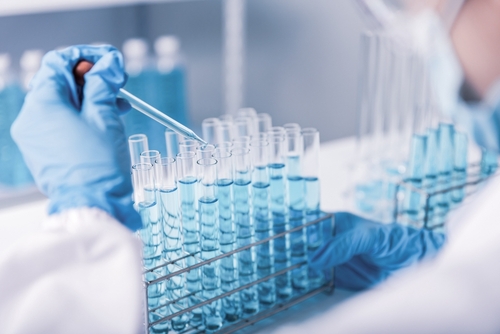
What is PFAS
Per- and polyfluoroalkyl substances (PFAS) are a large, complex group of synthetic chemicals that have been used in consumer products around the world since about the 1950s. They are ingredients in various everyday products. For example, PFAS are used to keep food from sticking to packaging or cookware, make clothes and carpets resistant to stains, and create firefighting foam that is more effective.
The U.S. Food and Drug Administration states that PFAS in the environment can enter the food supply through crops and animals grown, raised, or processed in contaminated areas. It is also possible for very small amounts of PFAS to enter foods through food packaging, processing, and cookware.
FDA Sampling Results of PFAS in Foods
The FDA has been working to better understand if food from the general supply is a significant source of PFAS exposure for U.S. consumers. The FDA has not established legal limits for PFAS in food. However, the agency monitors its presence through its ongoing Total Diet Study (TDS).
The FDA recently published testing results for PFAS in foods collected as part of its TDS, which found no PFAS have been detected above method limits in over 95% of the fresh and processed foods sampled. FDA is testing for extremely low levels of these chemicals—in the parts per trillion.
Fruits and vegetables were among the foods sampled. Based on the best available current science, the FDA has no indication that the PFAS, at the levels found in the limited sampling of produce, present a human health concern.
No PFAS have been detected above method limits in over 95% of the fresh and processed foods sampled by FDA.
The FDA has been testing foods for PFAS collected as part of the FDA’s TDS since 2019. TDS foods are regionally and nationally distributed, are purchased at grocery stores, and represent the broad range of foods—breads, dairy, produce, meat, fish, poultry, as well as processed foods, such as baby food, canned goods, macaroni and cheese and salad dressing, etc.—the average U.S. consumer might eat. Since 2019, the FDA has tested nearly 1,300 additional food samples from the U.S. market for PFAS.
The FDA’s approach considers a number of factors, including whether there is an established action level or tolerance, how much of the specific food people typically eat, the level of the PFAS detected in that food, and if there is scientific information on the toxicity of the specific type of PFAS.
The purpose of FDA testing the TDS samples for PFAS is to better understand the occurrence of PFAS in foods, determine if targeted sampling assignments are necessary for certain foods or types of food, and to help inform the agency’s approach to future surveillance efforts. For example, after testing of TDS samples showed that of the very few samples that had detectable levels of PFAS, most were seafood, the FDA conducted a targeted seafood survey in 2022.
Since 2019, other advancements in FDA testing for PFAS in foods included:
- Making available the first single lab validated scientific method for testing 30 different types of PFAS in a highly diverse sample of foods.
- Optimizing testing method for use in processed foods.
- Extending testing method from 16 to 30 types of PFAS.
When levels of PFAS in foods are determined to be a human health concern, the FDA works closely with state and local officials, as well as its federal partners, to assess each situation and take appropriate steps to ensure the food does not enter the market.